Critical Writing
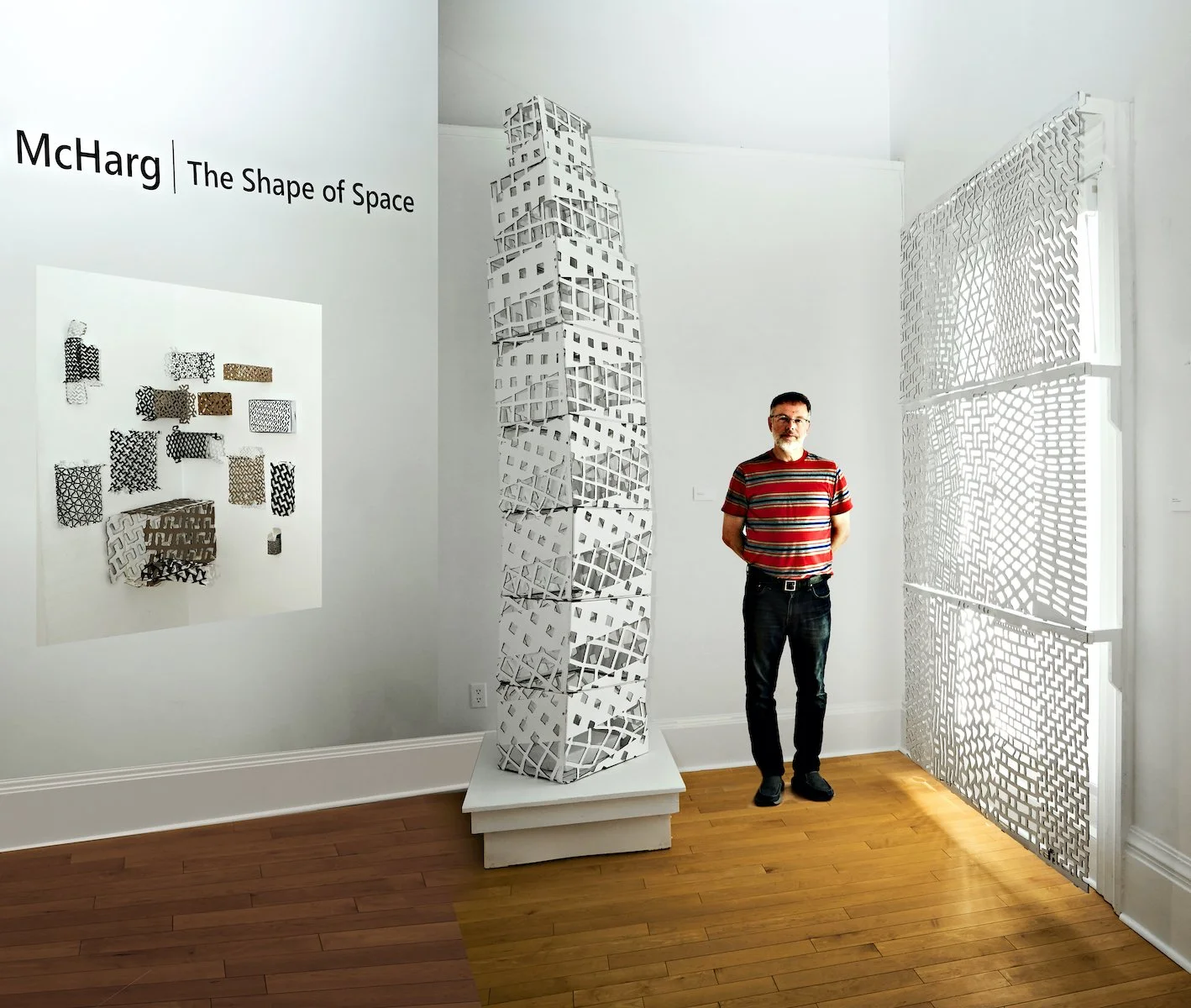
Exhibition Text for The Shape of Space, 2025
“The Shape of Space explores Greg McHarg’s innovative use of cutouts and repetition, transforming cardboard into a study of form, void, and rhythm.”
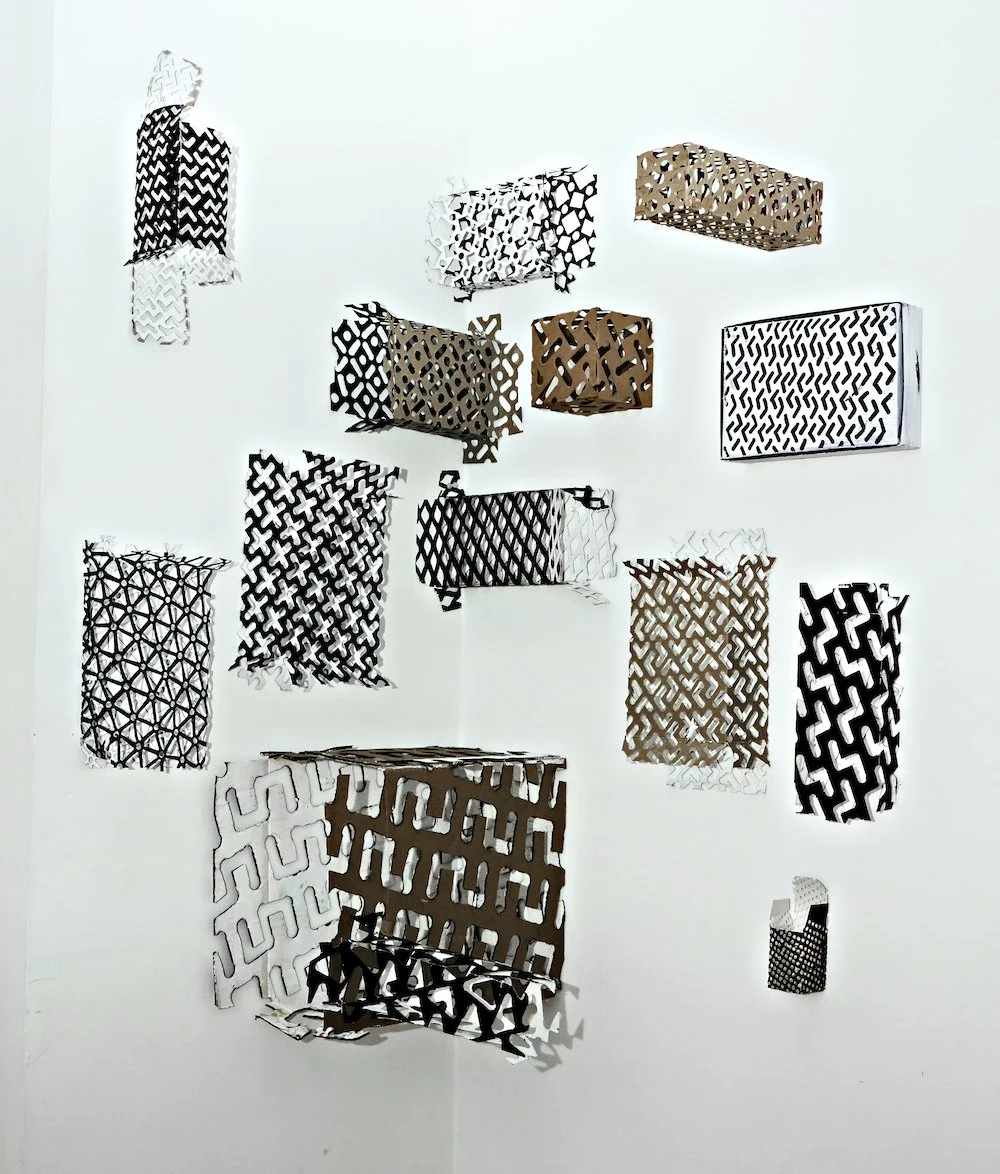
Exhibition Essay for ‘The Shape of Space’, 2025
“But, how does McHarg communicate this love, this beauty? Perhaps it partially comes from his background growing up on the Canadian prairies in a family, one suspects, was not surrounded by wealth, glitz and glamour but hard, sober work and an appreciation of what they had. In these works, Greg methodically and laboriously hand cuts geometric patterns from the cardboard leaving the traces of touch, of struggle, unconcealed.”
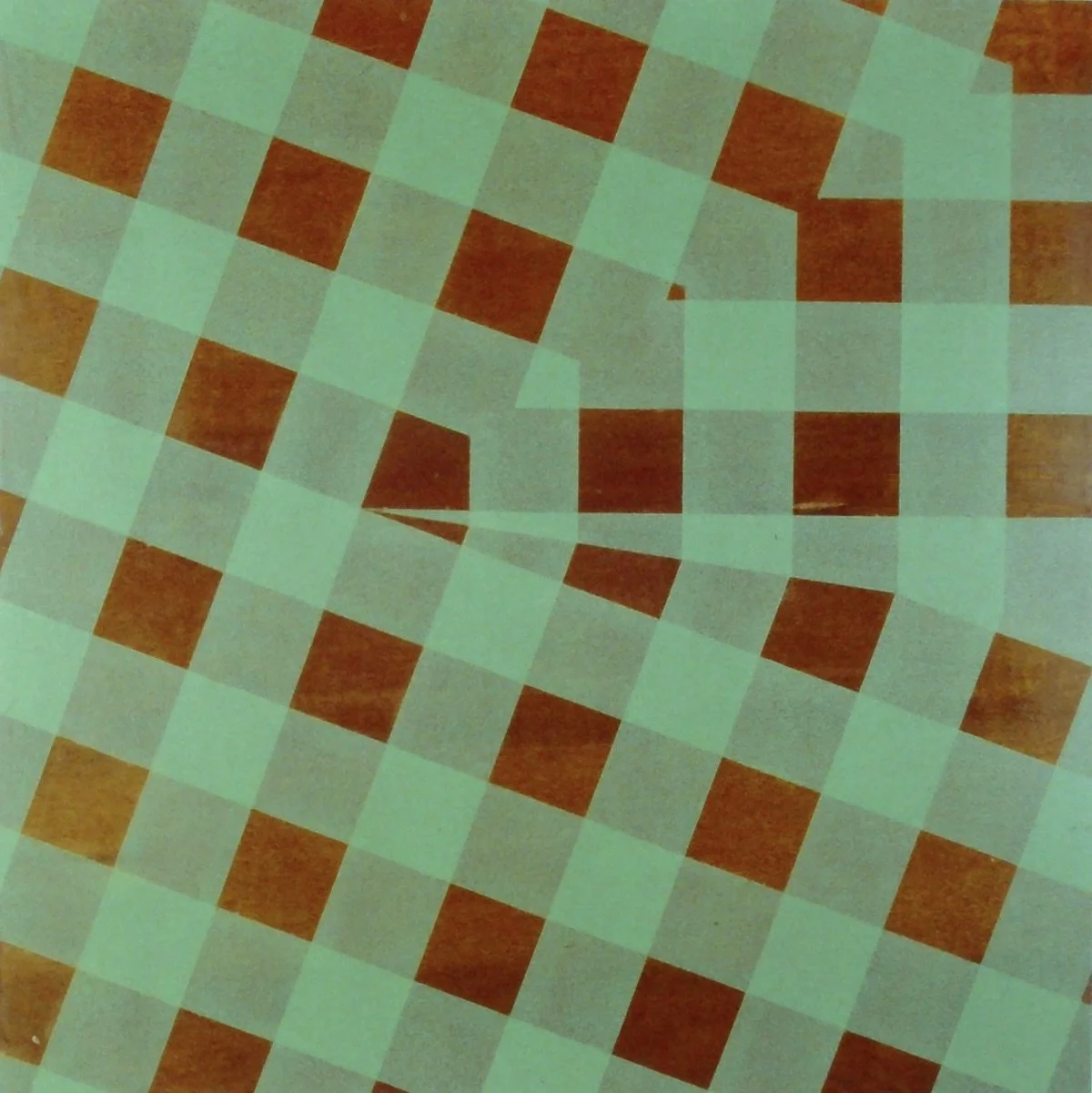
Being Greg McHarg, Exhibition Essay for ‘Picnic’, Red Head Gallery, Dec. 2000
“In Greg McHarg's art, the grid is the ineffable construct that insinuates itself on everything. This presence can be explained by his earlier education in making formalist abstractions – but only the way that a particular child's education might explain why he has a grasp of arithmetic, while another child's education could explain why she understands numbers is having the potential to invent beautiful narratives.”
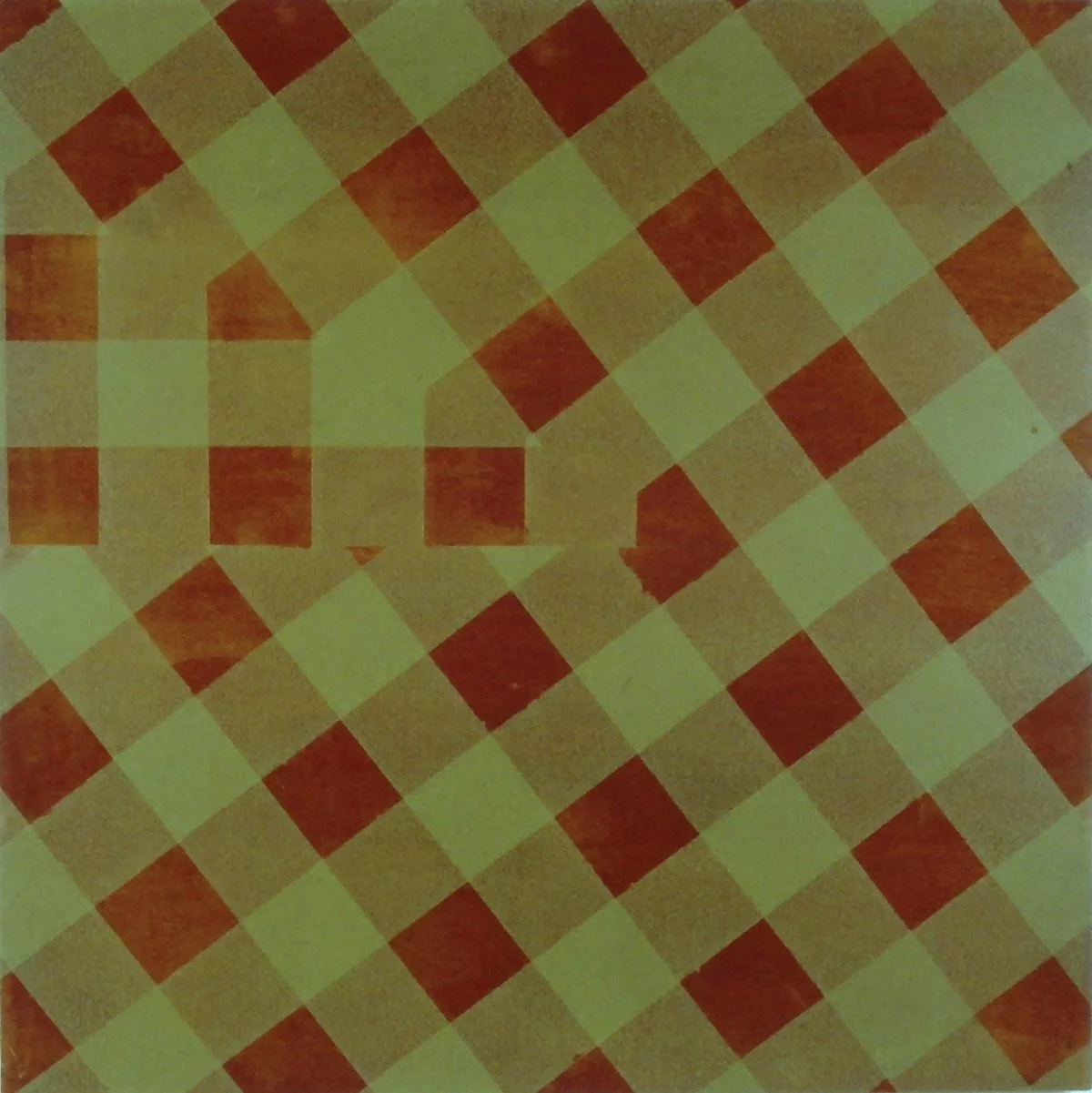
Greg McHarg at the Red Head Gallery, 2000
“Not the least attractive quality of the paintings making up Toronto artist Greg McHarg's new exhibition ‘Picnic’, is the way they so jauntily weave images of outdoor relaxation with concepts drawn from the high seriousness of advanced abstraction. His four beach ball paintings for example look as if a ball had its surface carefully removed and stretched out flat.“

Driven To Abstraction, 1999
In the past few years, art world prophets have been proclaiming an imminent Second Coming for abstraction, after its death and disappearance in the early eighties. (Though abstract art always made just enough splashy reappearances to keep hope in the hearts of its acolytes.) But now that even YYZ is willing to give wall space to the New Abstraction, you know that its moment has truly come, again. Consider Squareheads, the name of its current show.
You Are Here: Some Thoughts on Hinterland (excerpted), 1997
“Greg McHarg chooses to eschew traditional art materials for everyday consumer items: pre-printed postcards, linoleum tiles, colored crayons. McHarg is intrigued by the cheapness and uniformity of these “building blocks” of his work. His art is the most formal of the four. And though it may be tempting to view this work in the vein of Modernist traditions of the grid or with the specter of self-referentiality – a tradition McHarg readily admits to – one cannot overlook the materials that function as his medium.”